
Medicare Has Made Drug Prices Public: Use Them to Audit Your Plan
By Jude Odu
June 15, 2026
This week, CMS proposed a rule to make the Medicare Drug Price Negotiation Program permanent. The headlines focused on Medicare. The real story for you sits one layer down. On January 1, 2026, the first negotiated prices took effect for ten of the most expensive, highest-volume drugs in the country. For the first time, you have a federal price tag for medications your plan pays for every month. You can use those numbers to test whether your pharmacy benefit manager charges you a fair price.
The Numbers Medicare Published
CMS negotiated a Maximum Fair Price on each of ten drugs, and the cuts are large. Every price came in at least 38% below the 2023 list price. Januvia dropped 79%, to $113 for a 30-day supply. Eliquis fell 56%, to $231. Xarelto came down 62%. Stelara dropped 66%. Jardiance sits on the same list. These are not obscure specialty products. They treat diabetes, blood clots, and autoimmune disease, and they appear in nearly every employer plan’s top spend categories. CMS estimates the first round will save Medicare about $6 billion in 2026 and cut beneficiary out-of-pocket costs by $1.5 billion.
Your plan does not get the Medicare price. But you now know what the federal government, the largest single drug purchaser in the country, decided these drugs are worth. That is a benchmark. Pull your own claims for the same ten drugs and compare. If your plan pays a multiple of the Maximum Fair Price after rebates, you have a specific, documented question for your PBM.
The Cost-Shifting Risk
A second effect works against you. When a manufacturer loses revenue on the Medicare side, it looks to recover that revenue somewhere else. The commercial market is the obvious target. Employer-sponsored plans cover more than 160 million Americans and have historically paid the highest prices in the system. Analysts cannot yet quantify how much cost will move to commercial plans because drug pricing stays opaque by design. The direction is clear, though. If you do nothing, you may absorb part of the bill for Medicare’s savings through higher net prices, smaller rebates, or formulary changes that steer members toward costlier alternatives.
Why This Is A Fiduciary Issue
Under ERISA, you owe plan participants a duty of prudence. That duty now has teeth in pharmacy. The Consolidated Appropriations Act of 2026, signed February 3, gave plan sponsors expanded rights to audit PBM compensation and rebate flows, with the reviewer chosen by you, not the PBM. The Department of Labor’s January 2026 proposed rule would add fee disclosure and audit requirements for self-funded plans. Three large employers, Johnson and Johnson, Wells Fargo, and JPMorgan Chase, already face ERISA class actions over alleged PBM mismanagement. Public Medicare prices remove your last excuse for not knowing what fair prices look like. A regulator or a plaintiff can now point to a federal number and ask why your plan paid more.
What To Do Before Your Next Plan Review
Start with the ten negotiated drugs. Ask your PBM or your claims administrator for your net cost per unit on each one, after all rebates and fees. Put the Maximum Fair Price next to your number. Document the gap. Then widen the lens. CMS has already named a third round of drugs for negotiation and proposed renegotiation starting in 2029, so this public price list will grow every year. The benchmark you build now becomes a standard tool for your plan, one to be revisited as the pricing landscape changes.
Next, read your PBM contract for the audit language the CAA 2026 now guarantees. If your contract predates February 2026, it may not reflect your full rights. Schedule the audit. Pick your own reviewer. As Jude Odu writes in Model Optimal Care: End U.S. Healthcare Waste, One Health Plan at a Time, the waste in self-insured plans is not random; it is built into contracts most sponsors never read closely, and money leaks through spread pricing you cannot see. Claims paid with errors run as high as one in five. Pricing often sits three to five times above benchmark. You signed up to be the fiduciary, which gives you the right and the duty to audit all of it.
Medicare has done the hard part. It put a defensible price on the drugs that drive your pharmacy spend. Your job this quarter is simple to state and harder to ignore. Compare your prices to the federal list, write down what you find, and make your vendors explain the difference.
get Moc Insights
Get the latest healthcare policy analysis for self-insured professionals and healthcare leaders committed to eliminating waste and optimizing care delivery.
About the author

Jude Odu
Founder of Health Cost IQ and author of Model Optimal Care. 25+ years in healthcare technology.
Categories
The Book
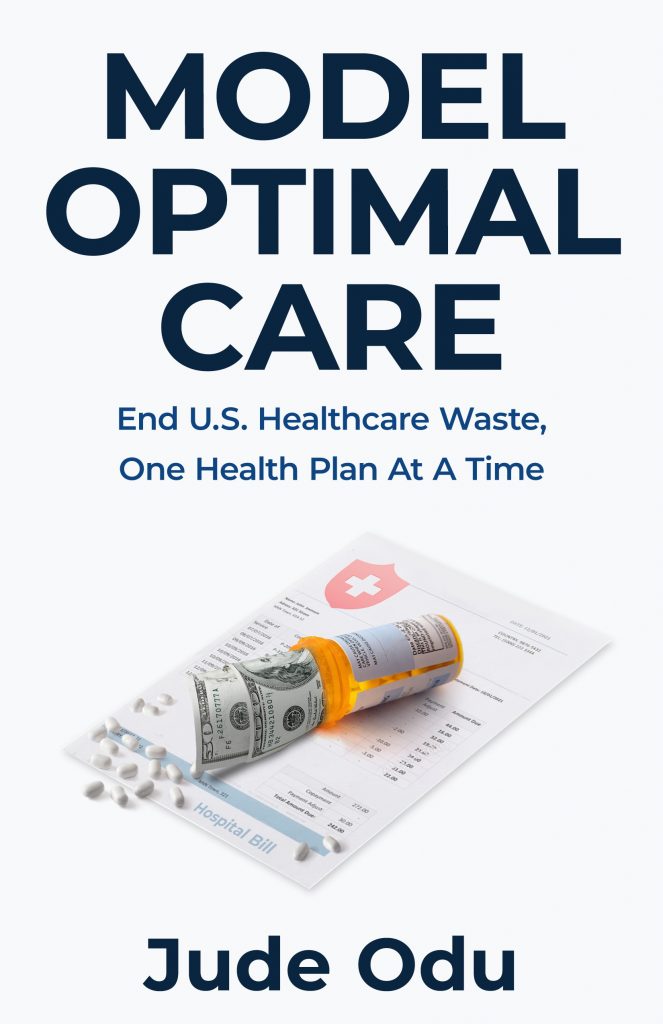
The definitive guide to ending U.S. healthcare waste. One health plan at a time.